01
⌁
Project development
Frame the project around the feedstock, site, daily input, utilities, intended output and operating needs.
Learn about the journey ↗
Developing a thoughtful pathway from feedstock and site planning to compressed biogas infrastructure—with decisions grounded in real project requirements.
Feedstock-first thinkingUnderstand the input before selecting the process.
Integrated project viewConsider technology, utilities and operations together.
Grounded communicationClear scope, realistic assumptions and open questions.
Energy from resources.
Value through planning.
Skyzone Green Energy is developing a Bio-CBG project in Gujarat. Our focus is on bringing the important project questions together early—feedstock availability, site suitability, process design, gas upgrading and the route to operation.
Compressed biogas projects connect several disciplines. A credible project plan starts with understanding the organic material available, how consistently it can be supplied, what the site can support and what the final gas is intended to serve. These details help shape the right technical and commercial pathway.
Explore the project journey ↗
From early-stage planning to technical coordination, a project needs its feedstock, process and operating model to work together.
Frame the project around the feedstock, site, daily input, utilities, intended output and operating needs.
Learn about the journey ↗Understand the connected stages of organic material preparation, anaerobic digestion, gas purification and compression.
Explore the process ↗Review supply consistency, logistics, land, water, power and by-product handling before finalising the design basis.
Explore key inputs ↗Note Final services, project responsibilities and technical specifications are subject to the agreed scope and project evaluation.
A CBG facility is a connected process—not a single machine. Each stage influences the next, and the design must reflect the characteristics of the feedstock and the required product specification.
Review feedstock type, quantity, seasonal variation, contaminants and supply logistics.
Remove unsuitable material and prepare a consistent feed for the digestion process.
Microorganisms break down biodegradable material in a controlled oxygen-free environment to produce raw biogas.
Appropriate treatment removes moisture, hydrogen sulphide and carbon dioxide as required by the selected process.
After product-quality checks, upgraded gas can be compressed and handled according to the approved project and offtake arrangement.

Organic materials differ in moisture, composition, biodegradability and supply pattern. Their suitability must be checked before plant design is fixed.

Assess harvest cycles, chopping requirements, storage, moisture and year-round supply planning.
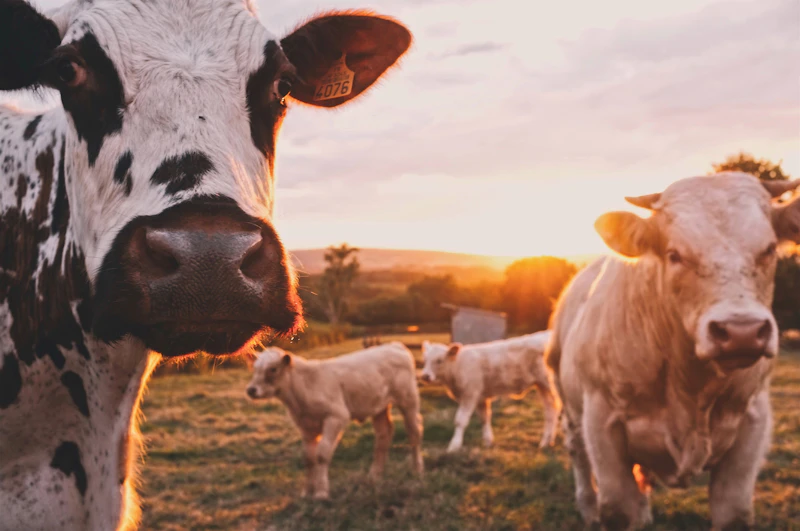
Consider collection radius, solids content, handling, dilution needs and consistent daily availability.
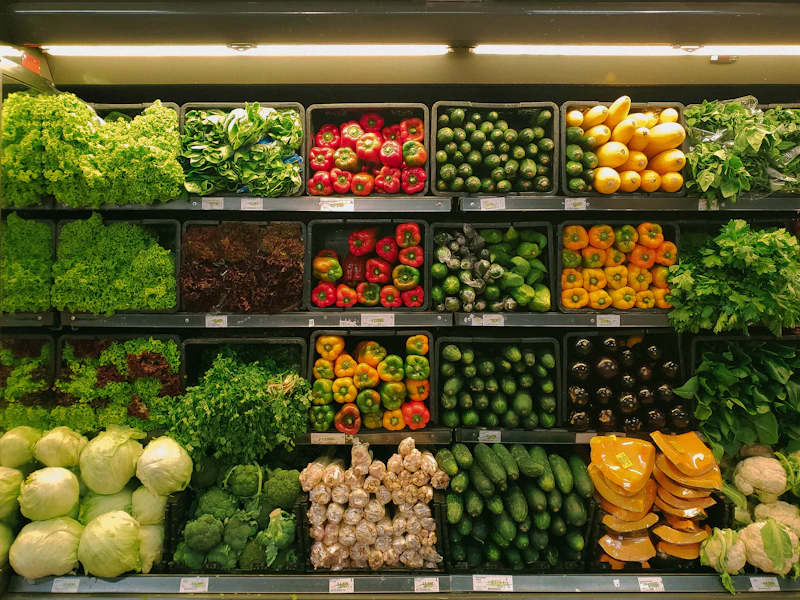
Check contamination, seasonal volumes, preprocessing needs and compatibility with other feedstocks.

Review material characteristics, supply contracts, storage requirements and process-specific limitations.
No feedstock has a universal output rate.Gas yield and final CBG output depend on actual composition, testing, process conditions and plant performance. A technical assessment is needed for reliable estimates.
Each stage helps identify what is known, what must be validated and which responsibilities need to be agreed before moving forward.
Talk to Skyzone ↗
Confirm feedstock source, daily quantity, proposed location, land status and intended gas use or sale route.
Review representative feedstock data, logistics, utilities, process requirements, site conditions and commercial assumptions.
Define the design basis, process configuration, equipment interfaces, project responsibilities, approvals and budget assumptions.
Coordinate construction, installation, testing, commissioning, operator training and post-start-up support as agreed in the contract.
Even an early conversation becomes more useful when these starting details are available.
These general answers explain the usual considerations. Actual project decisions require technical and commercial review.
Ask about your project ↗CBG is biogas that has been upgraded to remove unwanted components and then compressed for its intended use. The required gas quality and handling arrangements depend on applicable standards and the project’s offtake route.
Potential inputs can include cattle dung, energy crops such as Napier grass, food waste and selected agricultural or agro-industrial residues. Suitability depends on material testing, contamination, supply consistency and process design.
There is no single figure suitable for every project. Capacity, feedstock storage, digesters, gas upgrading, utilities, access, digestate management and local site conditions all influence land and capital requirements. A project-specific assessment is needed.
A preliminary estimate may be possible using stated assumptions, but it should not be treated as a guaranteed output. Representative testing and an agreed process design are needed to develop a more reliable estimate.
Skyzone’s project is currently under development. This website does not present it as an operational plant and does not claim completed project references or verified production figures.
Use the enquiry form below or contact Skyzone directly. Share your feedstock, approximate daily quantity, location and target outcome if known. You can start the discussion even if some details are not final.
Share what you know today. We can begin with the basics and identify what needs to be validated next.
VAMKUKSHI SECTOR A, PLOT NO-27,
BUNG NO. A27, Ziyana, Rajkot,
Rajkot – 360023, Gujarat, India